

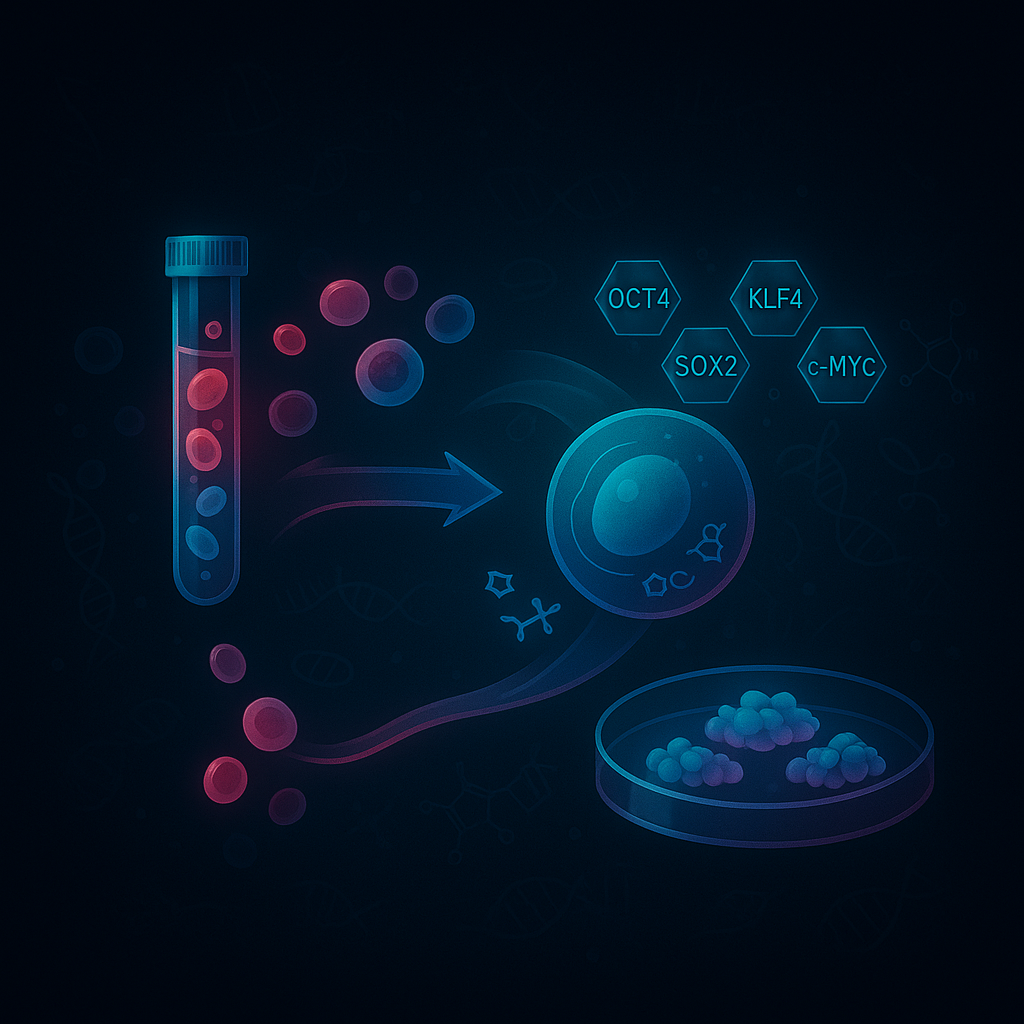
Human iPSC-derived Ventricular Cardiac Organoid
These organoids are generated from human iPSCs to model the structural and functional characteristics of ventricular myocardium in a 3D format. They exhibit synchronized contractions, robust ventricular-like electrophysiology, and chamber-specific gene expression, making them powerful systems for disease modeling, drug testing, and safety pharmacology.
Benefits
- 3D organoid structure mimicking ventricular tissue architecture
- Chamber-specific electrophysiological and contractile properties
- Useful for cardiac safety pharmacology and disease modeling
Product Specifications
|
Feature |
Detail |
|---|---|
|
Identity Markers |
High expression of ventricular markers (MLC2v, TNNT2, α-actinin); downregulation of pluripotency markers |
|
Quantities |
≥ 1 × 10⁶ cells per organoid; batch sizes available |
|
Quality Control |
Electrophysiological assays (Voltage/Calcium probes), contractility assays, mycoplasma testing |
|
Format |
Cryopreserved 3D organoids |
|
Donor & Reprogramming |
Healthy or disease-specific donor; Sendai virus reprogramming |
|
Shipping / Storage |
Dry shipper at -180°C to -135°C; store in vapor phase LN₂ |
|
Supplied with |
Organoid culture medium and user-guide |
Explore Ventricular Cardiac Organoid
Unlock advanced cardiac research with our iPSC-derived ventricular cardiac organoids, designed to mimic native 3D heart tissue structure and function. Review the product details to see how these organoids can accelerate your studies in disease modeling, drug testing, and cardiac safety assessment.