

Gut Organoid
- Home
- Gut Organoid
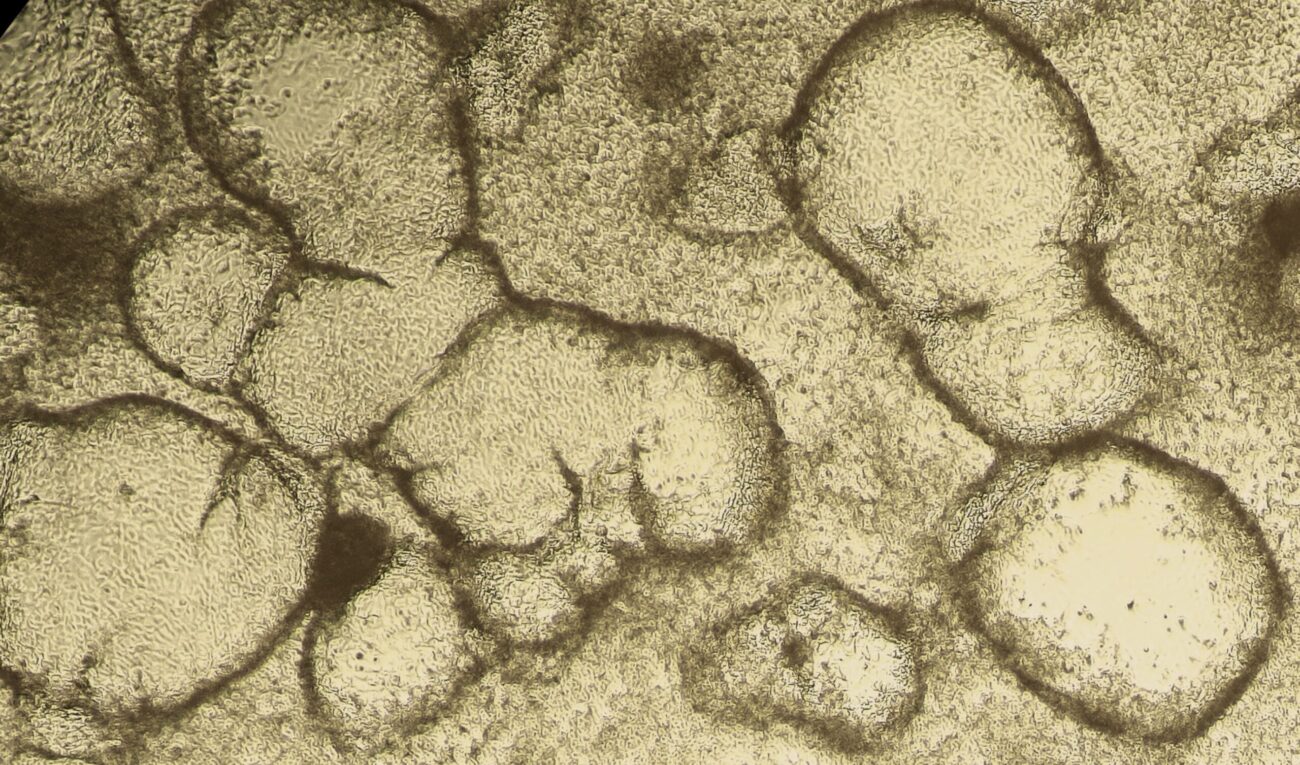
Patient-derived Gut Organoids
Stem cell-derived gut organoids retain the same features as those of the patients. Intestinal organoids are superior to other intestinal models in drug discovery and screening. Gut organoids can be used to develop a high-throughput gut-in-a-dish platform and gut-on-a-chip microphysiological system.
Benefits
- Retain the same features of patients.
- Recapitulate the human gut microenvironment.
- It can proliferate and propagate for several passages.
- Suitable for studying chronic gut diseases such as IBD, colorectal cancer, intestinal inflammation.
- Excellent model for drug screening, evaluating the pharmacokinetic of drugs.
Product Specifications
|
Feature |
Detail |
|---|---|
|
Identity Markers |
Sucrase isomaltase (enterocytes), (MUC2 (goblet cells), LGR5 (stem cells), Lyz (Paneth cells) |
|
Quantities |
≥ 500 organoids per vial |
|
Quality Control |
Markers characterization , mycoplasma testing |
|
Format |
Cryopreserved vial |
|
Donor |
Healthy/ diseased subjects |
|
Shipping / Storage |
Dry shipper at -180°C to -135°C |
|
Supplied with |
Organoid culture medium and handling guide |
Explore Gut Organoid
Advance your gastrointestinal research with our iPSC-derived gut organoids that recreate key structural and functional features of the human intestine. These organoids are ideal for disease modeling, drug absorption studies, microbiome interaction research, and toxicity screening. Check the product details to see how they can support and accelerate your GI biology workflows.